Staging a vacant house and staging one where a family still lives are different jobs. A vacant home needs furniture brought in so buyers can judge size and purpose. An occupied home needs editing, rearranging and a routine to keep it show-ready. This guide compares the two, explains the costs and trade-offs of each and helps listing agents plan the right approach for the listing in front of them.
Key takeaways
- Vacant homes usually need furniture in the key rooms so buyers can judge scale.
- Occupied staging is mostly editing the seller’s belongings and adding a few accessories.
- Timing, rental terms and show-ready routines are the main planning issues for each.
Why vacant homes are harder to show
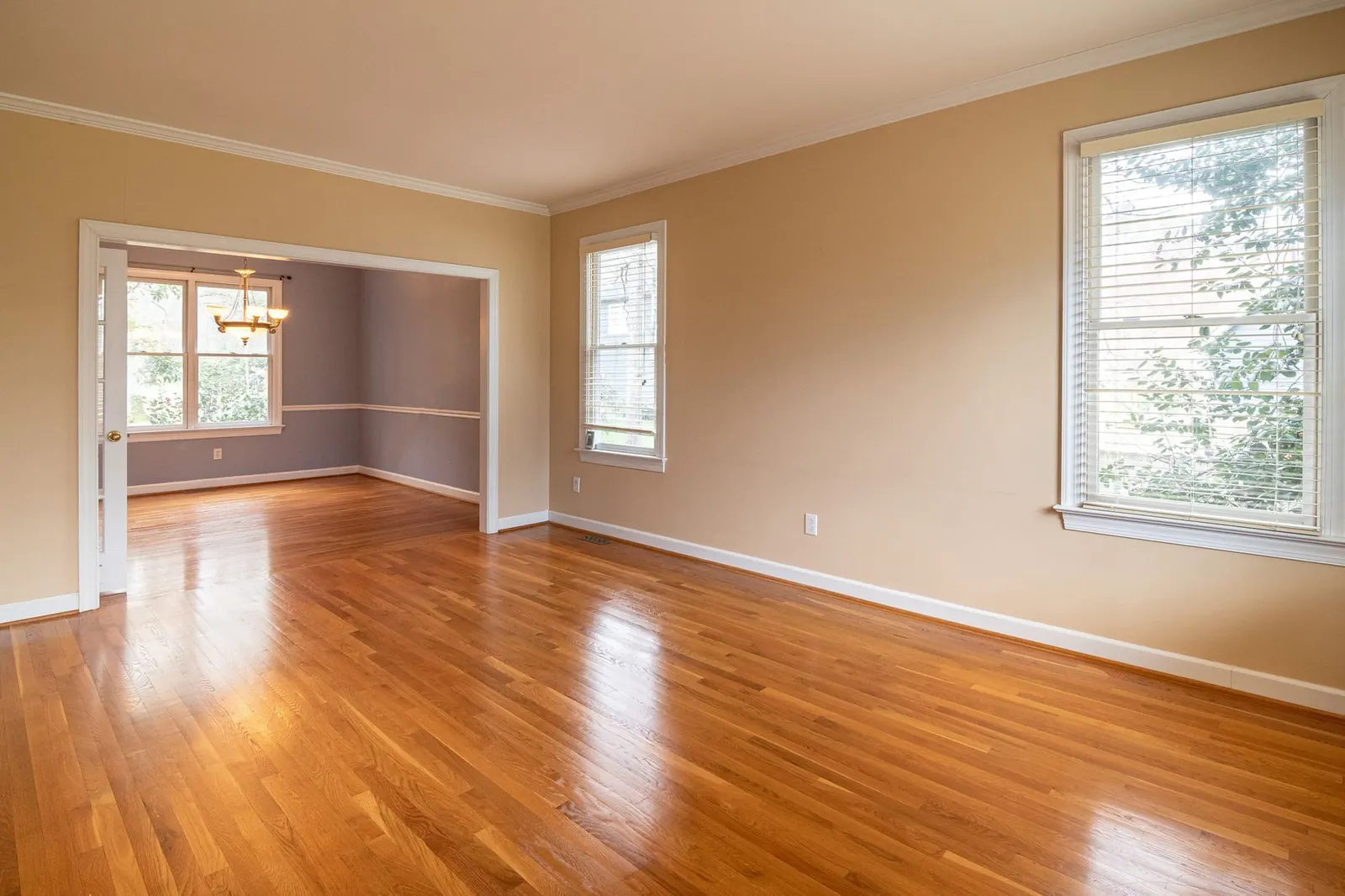
Empty rooms can look smaller than they are, and buyers often struggle to judge whether their furniture will fit. Without furniture, echoes, marks on walls and small flaws become more noticeable. Photos of empty rooms also tend to look flat and give buyers little sense of how the space works. That is why vacant homes are often where staging makes the clearest difference, particularly in the rooms that lead the listing photos.
Staging a vacant home
Most vacant staging focuses on the living room, dining area, kitchen and primary bedroom, with lighter touches elsewhere. A stager brings in rented furniture, rugs, lighting, art and accessories for an agreed period. Before staging arrives, the house should be clean, repaired and freshly painted where needed. Agree on the rental term and the cost of extending it, and plan the photo shoot for the day after staging is complete.
Staging an occupied home
In an occupied home, the seller’s furniture usually stays. Staging means removing excess items, rearranging what is left so each room has a clear purpose, and adding a few pieces such as bedding, towels, cushions or lamps. A stager may bring in a few rental items to replace pieces that are too large or too worn. The biggest challenge is keeping the house presentable while people live in it. See DIY Staging With What the Seller Already Owns for the editing process.
Vacant vs occupied
| Vacant | Occupied | |
|---|---|---|
| Main job | Bring in furniture to show scale | Edit and rearrange what is there |
| Typical cost | Higher: rentals, delivery, setup | Lower: consultation and accessories |
| Timeline | Set by the rental term | Set by the seller’s routine |
| Main risk | Rental costs if the listing runs long | House slipping out of show-ready condition |
Tip: For vacant listings, ask the stager whether they can stage in phases: key rooms first for photos, with the option to add more later if showings suggest buyers need help understanding a particular space.
Partially vacant homes
Some homes are in between: the seller has moved out part of their furniture, leaving rooms half empty. These can look worse than fully vacant ones, because the remaining pieces often do not match or fit. Decide room by room whether to fill gaps with rentals, move the remaining furniture to where it works best or clear a room fully and stage it lightly. A consistent look across the main rooms matters more than filling every space.
Virtual staging as an alternative
For vacant homes on a tight budget, virtual staging adds furniture to listing photos digitally. It can help online, but buyers will see empty rooms in person, and many MLSs and brokerages require virtually staged photos to be labeled. It works best as a supplement rather than a replacement for preparing the actual house. Our guide to Virtual Staging for Listings: When It Helps and What to Disclose covers the trade-offs and disclosure questions.
Planning the timeline
For vacant homes, the timeline runs from cleaning and repairs to staging, photos and the listing date, followed by the rental period. For occupied homes, the seller needs time to declutter and pack before photos, then a routine for showings. In both cases, schedule photos only after staging is finished, and build a little slack into the plan for delays in delivery, repairs or the seller’s move.
Common mistakes
For vacant homes, common mistakes include staging too many rooms and paying for rentals that add little, or too few, leaving buyers unsure how rooms work. For occupied homes, the usual problem is the house slipping back into daily clutter after the photos. Another mistake in both cases is vague agreements about rental terms and who pays if the listing takes longer than expected.
Frequently asked questions
Which rooms should be staged in a vacant home?
Usually the living room, dining area, kitchen and primary bedroom, plus any room that appears early in the listing photos.
Is occupied staging cheaper?
Generally yes, because the seller’s furniture stays and the work is mostly editing and accessories.
What if the listing outlasts the staging rental?
Most stagers offer extensions at an agreed rate. Settle the terms and who pays before signing.
Next: Virtual Staging for Listings: When It Helps and What to Disclose.