The cheapest staging uses furniture and decor the seller already has. With some editing and rearranging, most occupied homes can look far more open, bright and easy to understand without renting anything. This guide gives listing agents a practical process for guiding sellers through do-it-yourself staging, room by room, and explains where to draw the line between editing and bringing in help.
Key takeaways
- Remove first, then arrange: most rooms look better with fewer pieces.
- Give every room one clear purpose and a clear path through it.
- Pack away personal items and anything that makes buyers think about the seller instead of the space.
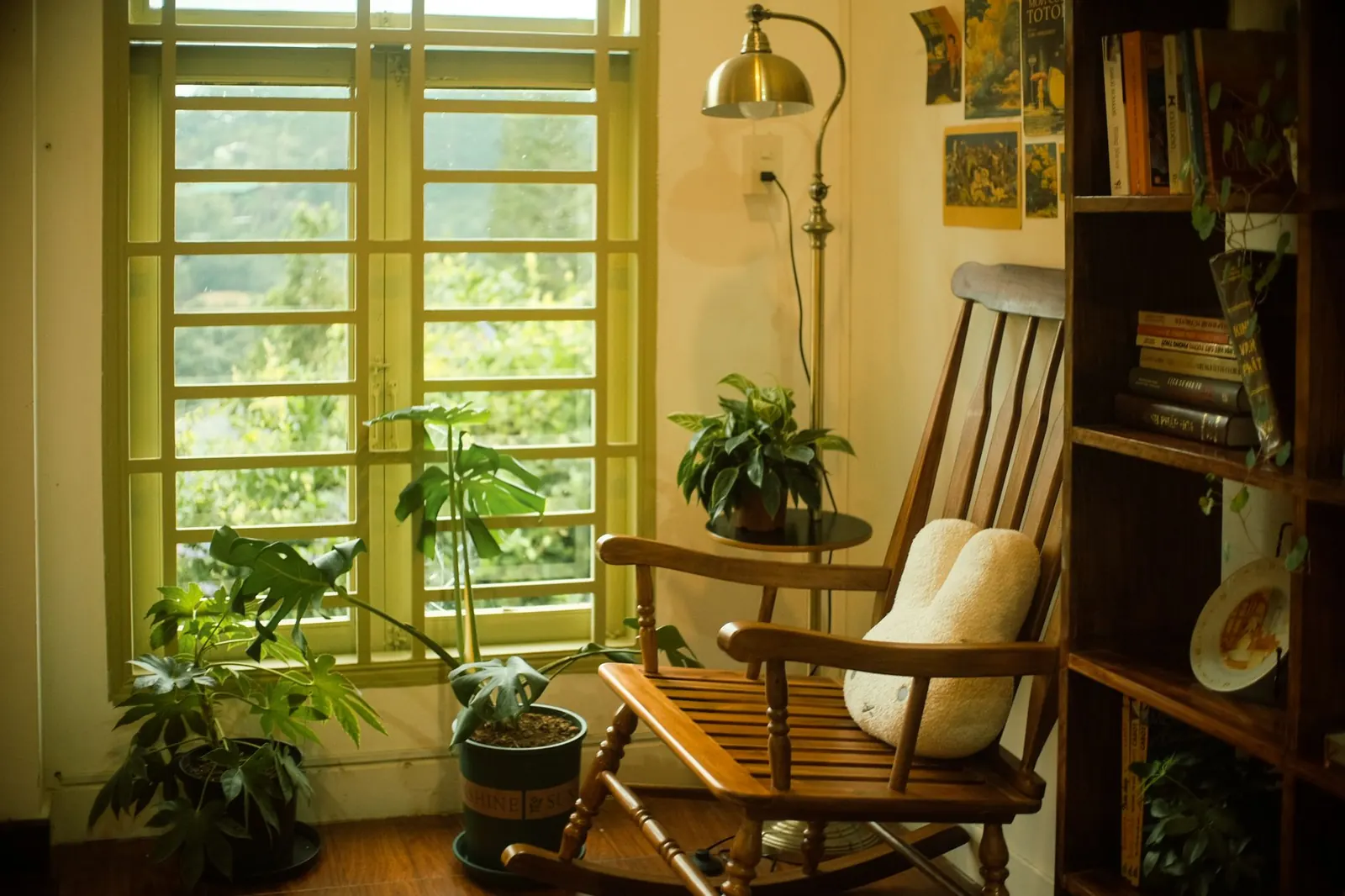
Start by taking things out
Do-it-yourself staging is mostly subtraction. Ask the seller to remove about a third of what is in each room: extra chairs, side tables, piles of books, small appliances on counters and anything on the floor that does not need to be there. Store it in a garage, a rented storage unit or boxes packed neatly in one closet. Rooms immediately look larger, and the furniture that stays becomes easier to arrange.
What to pack away
- Family photos, trophies and personal collections.
- Religious or political items and anything with strong personal taste.
- Paperwork, mail, chargers and cables.
- Most items on kitchen and bathroom counters.
- Pet beds, bowls and toys during showings.
- Out-of-season clothes, so closets look roomy.
Rearranging the furniture that stays
Once rooms are cleared, move furniture so each space has a clear purpose. In living rooms, float the sofa off the wall if the room allows, and group seating so it faces a focal point such as a window or fireplace. Keep walkways open from the door into and through each room. In bedrooms, center the bed on the main wall with space on both sides if possible. Small changes like these make rooms easier to read in photos and in person.
Moving pieces between rooms
A seller’s best staging pieces are often in the wrong place. A spare armchair from a bedroom might complete the living room. A rug from a hallway can anchor a dining table. Lamps can move to the darkest rooms. Treat the whole house as your stock of furniture and decor, and put each piece where it helps the most. Rooms left with little furniture can be staged lightly with a single piece that shows their purpose.
Edit vs bring in help
| Seller can do it | Consider a stager | |
|---|---|---|
| Clutter and personal items | Yes, with a checklist | Rarely needed |
| Rearranging furniture | Usually, with guidance | For awkward layouts |
| Empty rooms | A single piece may do | When buyers need scale |
| Dated or oversized furniture | Remove what you can | Rentals for key rooms |
Tip: Take quick phone photos of each room before and after the seller’s changes. Photos show clutter and awkward layouts that are easy to miss in person, and they help the seller see the difference their work makes.
Kitchens and bathrooms
In kitchens, clear the counters except for one or two simple items, such as a bowl of fruit or a cutting board. Empty the front of the refrigerator and make sure cabinets are tidy, because buyers open them. In bathrooms, remove toiletries from counters and showers, add clean matching towels and make sure grout and fixtures are spotless. These rooms are judged heavily on cleanliness, and they cost almost nothing to improve. See Staging the Living Room and Kitchen for more detail.
Keeping it show-ready
The hard part of DIY staging in an occupied home is keeping it that way while the family lives there. Suggest a short daily routine: beds made, counters cleared, a quick bathroom wipe and a basket for last-minute clutter that can go in the car before a showing. Planning where daily items live during the listing makes the routine much easier and keeps the house consistent from showing to showing.
Common mistakes
Sellers often move clutter from room to room instead of out of the house, or fill closets so full that buyers notice. Another mistake is leaving too much furniture because it all seems necessary. Pushing every piece against the walls can also make rooms feel like waiting areas rather than living spaces. Finally, strong scents from candles or air fresheners can put buyers off; clean, fresh air is better.
Frequently asked questions
How much should a seller remove?
A common rule of thumb is about a third of the items in each room, adjusted for how full the house is.
Should family photos always come down?
Generally yes. Buyers find it easier to picture themselves in a home without the seller’s personal items on display.
Is DIY staging enough for a vacant house?
Usually not. Empty rooms often need at least some furniture so buyers can judge their size and purpose.
Next: Budget Home Staging: Where to Spend and Where to Save.