Every listing raises the same question sooner or later: should this house be staged, and is it worth what it costs? There is no single answer, because the return depends on the property, the market and what the seller can do on their own. This guide walks through how listing agents can judge whether staging is likely to pay off on a particular listing, and what to recommend when it probably will not.
Key takeaways
- Staging tends to pay off where buyers struggle to picture a space: vacant homes, awkward layouts and dated furnishings.
- Free preparation such as decluttering, cleaning and small repairs comes before any paid staging.
- The real comparison is staging cost against the risk of a longer time on market or a price reduction.
What staging is supposed to do
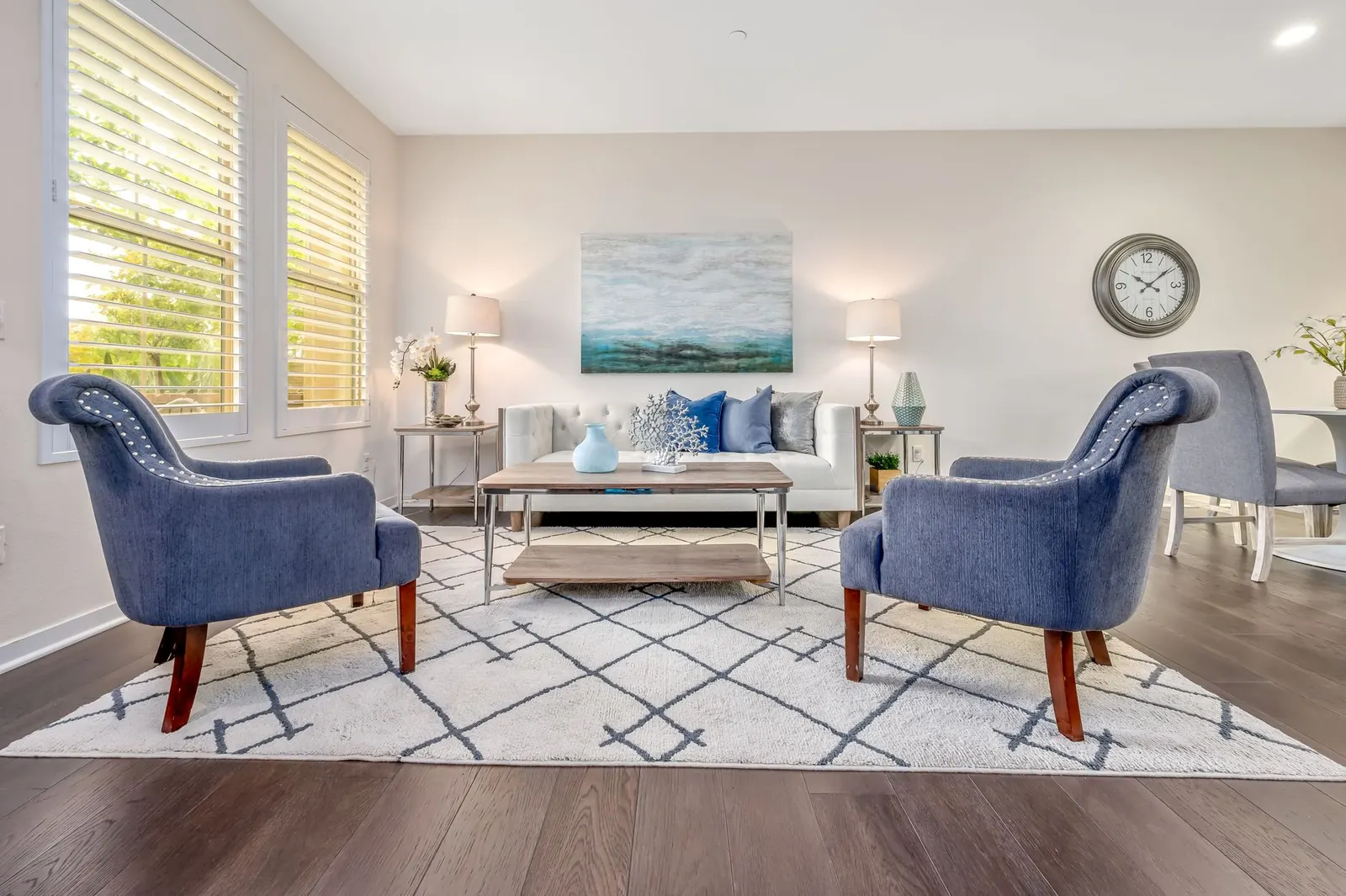
Staging is not decoration for its own sake. Its job is to help buyers understand a home quickly: how big the rooms are, what each space is for and how furniture fits. It also makes listing photos work harder, because most buyers see the photos long before they see the house. When staging answers those questions, buyers spend less time guessing and more time imagining themselves living there.
That is also why staging does not help every listing equally. A well-furnished, recently updated home already answers most of those questions. An empty condo with an odd living room shape does not.
Listings where staging usually helps most
- Vacant homes, where rooms look smaller and their purpose is unclear.
- Homes with awkward layouts, such as long narrow living rooms or open plans with no obvious dining area.
- Homes with dated, oversized or very personal furniture that distracts from the space.
- Listings where the photos will carry most of the marketing, such as out-of-area buyers or relocation markets.
- Price points where buyers expect a finished, move-in look.
Listings where staging may not be worth it
Some listings gain little from paid staging. A home that is already clean, neutral and well arranged may only need a walkthrough and a few changes. A property sold mainly for land value or as a renovation project is usually judged on other things. In a market where comparable homes sell quickly regardless of presentation, a big staging budget may be hard to justify. In these cases a consultation or a short list of seller tasks is often the better recommendation.
Staging vs skipping it
| Stage | Skip or keep it light | |
|---|---|---|
| Best fit | Vacant, dated or hard-to-read spaces | Clean, neutral, well-furnished homes |
| Seller cost | Consultation plus rentals and labor | Little or none beyond preparation |
| Photos | Rooms show purpose and scale | Depends on the existing furniture |
| Main risk | Spending on rooms buyers barely notice | Rooms that look empty or confusing online |
How to think about the return
The return on staging is rarely a neat number. What agents are really weighing is the cost of staging against the cost of a listing that sits: extra weeks of the seller’s carrying costs, a price reduction or a listing that goes stale online. If staging reduces the chance of those outcomes, it can pay for itself even when it does not raise the sale price directly. When you explain this to sellers, frame it as reducing risk rather than promising a specific gain.
Tip: Before recommending a budget, look at recent comparable listings in the same price range and note how they were presented. If most competing homes are staged or professionally furnished, an unstaged listing will stand out for the wrong reasons.
Start with what costs nothing
Whatever you decide about paid staging, the first step is the same. Ask the seller to remove clutter and personal items, deep clean, fix small defects and make sure every light works. Then rearrange the furniture that stays so each room has a clear purpose and a clear path through it. Many listings improve more from this than from anything brought in afterward. Our guide to DIY Staging With What the Seller Already Owns covers this step in detail.
Choosing the level of staging
Staging is not all or nothing. A consultation gives the seller a plan to carry out themselves. Partial staging brings in a few pieces for the key rooms. Full staging furnishes the whole house, which is most common for vacant homes. Matching the level to the listing keeps the cost in proportion. See Staging Consultation vs Full Staging for a closer comparison.
Common mistakes
The most common mistake is staging every room evenly instead of focusing on the ones buyers and photos see first. Another is scheduling photos before staging is finished, so the listing launches with its weakest images. Agents also sometimes skip a written agreement about who pays and for how long, which causes friction if the listing runs longer than planned. Finally, avoid staging that fights the house: furniture that is too large makes rooms look smaller, not better.
Frequently asked questions
Does staging guarantee a higher price?
No. It can help buyers see a home’s strengths and may shorten time on market, but results depend on the property, price and market.
Should I stage a home that sells fast in any condition?
Often a light touch is enough. Focus on preparation and good photos, and save paid staging for listings that need help.
Is a consultation enough on its own?
For occupied, well-furnished homes it frequently is. For vacant homes, buyers usually need to see furniture to judge scale.